Vole Trails in the Lawn After the Snow Melts
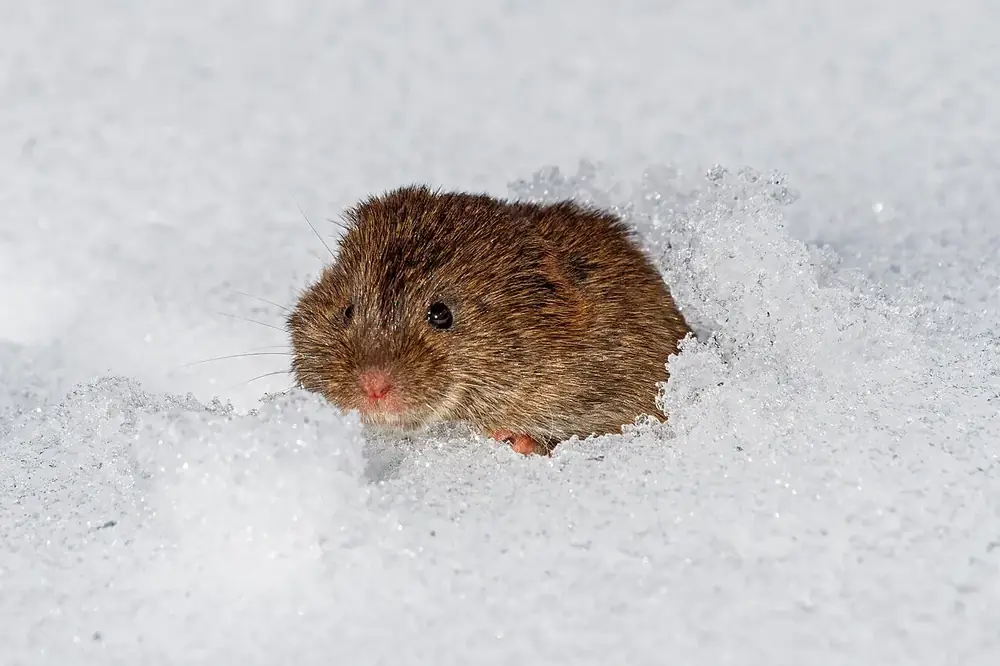
Some years, when the last snow melts off an Indianapolis lawn, it looks like someone drew a road map on it. Narrow, winding paths of dead or matted grass run from the flower bed to the fence and back. That's the work of voles, which spent the winter tunneling under the snow, out of sight of hawks and foxes.
The good news is the lawn usually comes back on its own. The trees and shrubs are the bigger worry.
What Voles Are
Voles are small, chunky rodents with short tails, small eyes and small ears. Purdue's turf scientists note that people call them meadow mice or field mice, and that they rarely come into homes. They prefer grassy fields and garden beds. In central Indiana you'll hear about meadow voles and prairie voles, and pine voles in some planting beds.
Will the Lawn Recover?
Usually yes. Purdue describes the runways as about two inches wide and sometimes many feet long, unsightly but not seriously harmful to the turf. Rake out the dead grass in the paths and the lawn fills them in once spring growth gets going.
Trees and Shrubs Are the Real Risk
Voles gnaw bark at the base of trees and shrubs, especially under snow cover or thick mulch where they can't be seen. Chew all the way around the trunk and the tree can die. Young trees, fruit trees and ornamental shrubs get it worst. Check the base of young trunks in March.
- Put hardware cloth guards around young trunks before winter
- Pull mulch a few inches back from the trunk
- Use rock mulch instead of bark near the trunk
- Keep shrubs trimmed up off the ground
Got droppings, chewing or noises in the wall?
One call connects you with a licensed rodent company that works your side of town.
(317) 996-1254Cutting Down Next Year's Trails
Mow tall grass short before the first snow. Move bird feeders away from beds, or clean up the spilled seed under them. Yards that back onto fields and retention ponds, common in Fishers, Avon and Noblesville, will always have some voles. For a heavy problem, a provider can trap in the runways. See vole control.
Rodent Q&A
Are those trails from moles?
Moles make raised ridges and mounds of dirt. Flat, open trails through the grass are voles.
Should I use poison on voles?
Purdue stresses following state rules and label directions with any pesticide. A licensed provider knows what's allowed. Trapping and habitat changes are a good start.